On an unclear morning in late spring, an item group from a midsize tech business stepped into a sand field, each person holding a lead rope clipped to a tranquil bay gelding called Boone. They were anticipating icebreakers, possibly a rope training course in camouflage. Instead, the facilitator asked a peaceful concern: "Who is leading, and who is following?" Five mins later, Boone answered for them. He walked with the only person whose hand stayed stable and whose breath did not hitch. When the others attempted to guide with babble and obscure cues, Boone paused, blinked, and stood like a granite sculpture. He was not persisting. He was being honest.
That is the heart of equine-assisted training. Horses review congruence. They listen to intent, stress, and quality long before we hear our very own words. When groups discover to supply a clear ask and launch pressure at the ideal moment, relationships shift. Meetings reduce. Liability enhances. Trust fund, that usually abstract principle, transforms sensible and visible.
Why horses educate management differently
Horses are victim pets with refined nerves. They have actually made it through by tracking micro-signals in their herd and environment, then choosing an instructions together with rate and cohesion. They can not be tricked by a positive tone that masks uncertainty, or by a smile that conceals disappointment. A steed feels what holds true through breath rate, pose, and the solidity of a person's facility. That makes them perfect mirrors for leadership, team structure, and somatic learning.
In typical workshops, talk can win. A solid audio speaker can rack up factors without transforming anything concerning how they in fact associate under pressure. In deal with steeds, intent and behavior either create motion or they do not. The feedback lands without reproaching anybody. If an employee pulls, the steed supports. If the person groups room, the horse actions away. If the person offers a clear border after that softens, the horse follows. This is why equine-assisted solutions are usually described as fast responses. The loophole from activity to action is immediate, generally within a breath or two.
Trust grows because the horse has no stake in your org graph. Boone does not care if you are a VP or an intern. He responds to sincerity, fairness, and management supplied with clearness. The same dynamics that make therapeutic horsemanship effective for people, make equine-assisted activities and mentoring efficient for organizational discovering. The field comes to be a clean lab for partnership experiments where the results appear in hooves, not move decks.
What a session really looks like
The ideal programs start prior to any individual touches an equine. Safety and authorization set the tone. People discover just how to stand, just how to welcome a horse to move, and exactly how to march if a task feels frustrating. Helmets are offered. Closed-toe shoes are non-negotiable. Facilitators, usually combined with an equine professional, checked out both the human team and the herd, after that shape workouts to match.
An usual first exercise is basic: halter, lead, and quit with the horse in step next to you, not behind or ahead. It sounds simple on paper. In practice, it subjects whether your objective is clear and your timing is thoughtful. Ask the steed to stroll, then soften your hand so you are not dragging. Ask to quit, after that unwind your body. If you hold tension after the quit, the steed will likely sneak. If you rush the stroll, the horse may accelerate, then lean with your hand when it is time to reduce. Each moment is a micro-debrief on clarity.
Next, teams may browse a challenge, such as strolling over ground posts or through a marked corridor. Without any voice allowed, the team has to work with via signals, eye contact, and placement. A person needs to take point. Somebody else requires to check pace. A person needs to watch the steed's ears and breathing to recognize when to stop briefly. The most effective debriefs connect what took place in the field to what happens at work. Who held the big image. Who tracked risk. That bridged between vision and execution. That sensed when the horse was overwhelmed and produced a reset.
Sessions often run 2 to 3 hours for a half day, or 5 to 6 hours for a complete day with breaks. Ideal team dimension for finding out with online steeds often tends to range from 6 to 12. Bigger teams can turn, but the magic lives in direct call and monitoring, not in spectating from a range. People who are not leading still learn by reviewing ears, eyes, and foot placement. The horse's body offers a running commentary.
The meaning of the lead rein
In English riding, a lead rein is an easy strap and clip. In practice, it is a commitment. Stress asks. Launch thanks. You apply a little feeling towards the direction you want, then you soften the immediate the horse returns. Way too much stress, the equine stands up to. Too little, the steed has no concept what you want. The art is in timing and quality, not force.
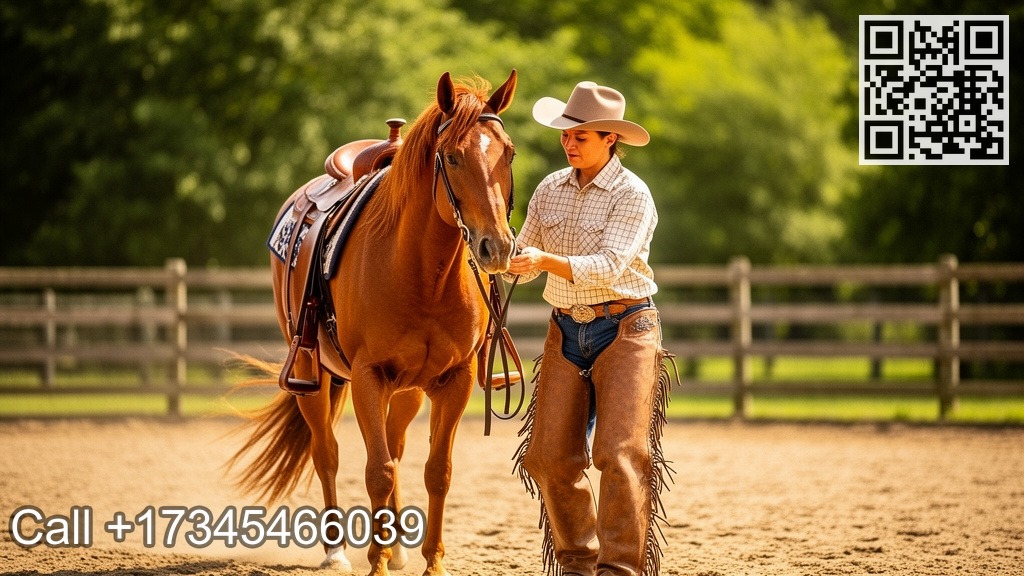
Good supervisors use the very same principle. When you request for a deliverable, define done. Settle on checkpoints, then alleviate off. If your group takes an action in the right direction, acknowledge it promptly. If you maintain pulling long after they have actually abided, they discover to support or tune you out. If you never provide a clear ask, they hesitate or overcompensate. Job either gets aggressive or obscure. Equines aid individuals feel that cycle physically, not just intellectually.
During one exercise, a sales supervisor maintained cueing Boone to step forward while automatically tightening the lead rope at the exact same time. Boone stayed planted. The facilitator pointed this out gently. The director giggled, then tried once again, this time opening his hand as he asked. Boone strolled off simultaneously. Back at the workplace, that director transformed how he ran pipeline reviews. He kept the ask crisp, after that offered area. His group reported less firefights within a month.
From task to mentoring and wellness
It assists to recognize the spectrum of equine-assisted solutions. Equine-assisted tasks include structured, non-therapeutic knowing experiences, such as team building with steeds or leadership workshops. Healing horsemanship entails ability structure on the ground or placed for individuals with physical, cognitive, or psychological requirements, and is typically shown by instructors with particular adaptive training. Equine-assisted coaching, often called equine-facilitated training, blends mentoring frameworks with horse-facilitated exercises to target specialist development, interaction, and management. Equine-facilitated health leans into the mental wellness and somatic measurements, occasionally in partnership with licensed therapists.
Ethics and quality around range matter. If you are seeking efficiency discussions for a management team, you desire seasoned trains that comprehend organization dynamics and group process. If you are sustaining injury healing, you desire qualified medical professionals that integrate steeds securely into therapy plans. The lines can overlap, and many barns companion throughout self-controls, however the supports are authorization, security, and expert competence.
Why experiential understanding with horses sticks
Rehearsing a hard discussion at a white boards engages just component of the brain. Doing similar job beside a thousand pound trip animal entails the entire body. Somatic discovering indicates your nerves updates its patterns through felt experience, not simply with concepts. When you obtain congruent in front of a steed, after that enjoy the steed kick back and respond, your body documents that connect. People leave the arena with new muscular tissue memory for just how a clear ask feels, just how a border really feels, and just how to pause when arousal rises.
I usually train individuals to view a horse's breath as a mirror for their very own. When an individual softens their jaw, the horse typically breathes out. When the person tenses, the steed's ribcage tightens up. That visible feedback aids individuals manage. In time, the same regulation appears in team huddles prior to a product launch or in a conference room during a warmed budget plan debate. The lesson is not regarding horses. It has to do with attunement and quality under stress.
Neurodiversity, anxiety, and sensory needs
Beyond company work, equine-assisted programs typically offer neurodivergent learners. An ADHD equine finding out support session might concentrate on pacing, impulse control, and job sequencing in a way that feels active instead of corrective. A student methods leading at a consistent speed, then resetting with a breath prior to the following ask. The steed uses instantaneous comments without judgment. Success ends up being concrete: the horse stuck with you via 3 cones at a constant walk.
For participants on the autism spectrum, an autism equine finding out program can stress predictable regimens, clear signals, and gentle sensory input. Cleaning in lengthy strokes, feeling the vibration of a nicker through a cheek versus a neck, tipping over posts one by one, all of this arranges sensory experience. Numerous families explain their kid leaving calmer, more worked with, and extra positive in checking out nonverbal hints. Communication construct in both directions. The steed responds to the child's clarity. The child discovers that justness and consistency create safety.
People managing anxiousness typically find relief with somatic healing with horses. A prey animal lives by observing, but likewise by resetting quickly to grazing once a risk passes. Exercising this reset with a tranquil herd member produces a model for the body. The message is: notification, act, bring back. For some, time with equines ends up being a different treatment for sensory difficulties that formal talk therapy alone has not dealt with. The movement, the scent of hay, the rhythm of hoofbeats, also the quiet job of filling up a water bucket ends up being grounding.
Important note on range: while equine-facilitated health can match therapy, it is not a replacement for healthcare or dilemma assistance. Excellent programs collaborate with doctor when appropriate, utilize notified consent, and preserve borders around what the sector is and is not.
A field tale regarding quality and trust
A remote-first startup concerned the ranch after a rough quarter. Missed handoffs, shadow choices, and increasing friction. Twelve individuals, two of whom had actually never met in person. We started with a simple tandem lead of a mare named Poppy through an S curve of poles. The initial pair made it halfway, then Poppy lifted her head and stopped. She was not alarmed. She was confused. Their asks opposed each other by an inch.
The team made a decision to nominate a single leader for each and every segment, with explicit handoffs at the turns. They added one role called the Display, whose only work was to state "Pause" when Poppy's ears pinned or her breathing altered. The whole team exhaled together when Poppy strolled the complete training course in a smooth line. That afternoon, the group rebuilt its product evaluation cadence making use of the exact same functions. A month later, https://www.hhooves.com/sproutlingssensoryadventures the chief executive officer composed that their regular preparation went down from 90 mins to 45, and they were delivering on projection once again. No person pointed out Poppy in those conferences, yet the handoffs and stops briefly lived on.
Designing the best program for your team
Choices issue. The best layout starts with a clear function, not just an enjoyable day out. Are you constructing trust after a reorg, onboarding a brand-new leader, resolving cross practical rubbing, or preventing fatigue. Each goal suggests a different arc. A count on concentrated day might pair mild brushing with border work and shared lead exercises. A quality focused day may lean right into timed challenge courses with rigorous no chatting rules to compel crisp nonverbal leadership.
Consider logistics. Weather condition matters, yet rainfall can include valuable appearance if you have actually covered space. Procedure frequently run quarter day, half day, or complete day. Group dimensions over a loads normally divided. One facilitator for every single 4 to 6 participants keeps interest sharp and safety tight. Costs differ by area and team size. For preparation, numerous organizations spending plan likewise to offsite approach days or ability workshops in the exact same location, with a premium for place and equine team. The variable to enjoy is proportion. If a program uses bargain prices by stacking 20 people per steed, top quality will endure. Equines are not props. They are partners.
Here is a short planning checklist many customers locate helpful:
- Clarify goals in one sentence you can examine in the arena. Confirm facilitator credentials, including equine, training, and safety credentials. Align group dimension with equine and personnel availability for a 1 to 4 or 1 to 6 ratio. Plan for debrief time equivalent to or longer than workout time. Set post event practices so lessons show up at the office within a week.
Measurement without overcomplication
Return on financial investment gets unsafe when you chase dollar numbers also hard. Still, you can track purposeful results. Prior to the workshop, ask individuals to price clearness of roles, rely on peers, and efficiency of conferences on a simple 1 to 5 range. Repeat the survey two to 4 weeks after. Look for activity of a minimum of one factor in targeted locations. Pair numbers with actions pens, such as time to choice on cross group concerns, frequency of rework, or the variety of disturbances in standups.
One manufacturing customer tracked safety and security near misses and team communication events for eight weeks pre and 8 weeks upload a series of equine-assisted mentoring days. Near misses out on dipped modestly, while case records that included proactive peer training increased. The plant supervisor credited a new routine of "ask, after that launch" that managers practiced in the sector. It also assisted that the sessions constructed relationships throughout changes that hardly ever overlapped.
Qualitative tales issue. You will listen to people say points like, "I realized I discuss individuals when I obtain worried," or "I require to make a clean ask and stop adding problems." Capture those representations. Utilize them in performance conversations later, not as cudgels yet as supports for change.
Safety, values, and the horses' well being
Responsible equine-assisted solutions placed equine welfare at the center. That starts with suitable work hours, rest, and herd life. Steeds ought to have turnover, social contact, and workout outside of sessions. During programs, they need water, color, and breaks. The herd's consent issues, too. An equine that chooses to involve will show better than a steed that is shut down.
Human security stays in preparation. Clear instructions, appropriate shoes, safety helmets when required, and expert oversight are standard standards. Excellent facilitators read the early signs of bewilder in both people and steeds and recognize when to simplify or quit. They likewise hold limits on what the arena is for. It is not the area to unearth unsettled trauma without assistance. It is not the area to push a person into call with an equine if fear is high. Consent is not an once signature, it is a continuous conversation.
As you veterinarian service providers, ask about associations and training. Many specialists hold certifications or education with well-known organizations in healing horsemanship and equine-assisted training. While letters after a name do not ensure fit, they do suggest a dedication to requirements and proceeding education. Insurance must be existing and suitable to the work.
Edge instances and thoughtful adaptations
Not every person intends to be near an equine. Allergies, cultural views, previous experiences, and basic choice are entitled to regard. Excellent programs produce sensible choices, such as observation roles that bring genuine weight or parallel workouts with range. Worry that softens with time can be among the most valuable knowings, but nerve only counts when the person has selection and support.
Medical factors to consider should have testimonial. Expecting participants, individuals with recent surgeries, and those with balance obstacles may need changed tasks. Groups with participants that use wheelchairs or flexibility gadgets can still get involved, with creative configuration. Brushing at a reduced tie, freedom job from a fencing line, and twin lead workouts can all adjust safely.
Weather can enhance risk and learning both. Warm calls for much more breaks and water. Cold affects grip and interest. Wind can bring unforeseen activity that horses see long prior to people do. Facilitators prepare with those realities in mind, or they reschedule. There is no heroism in pressing with risky conditions.
Bringing lessons home
The success of equine-facilitated coaching turns up back at the office where it matters. The method is to transform really felt experience right into daily habits. Many teams schedule a half an hour debrief within two days to translate field insights right into certain habits. They likewise select a person to expect drift, the sluggish go back to old patterns.
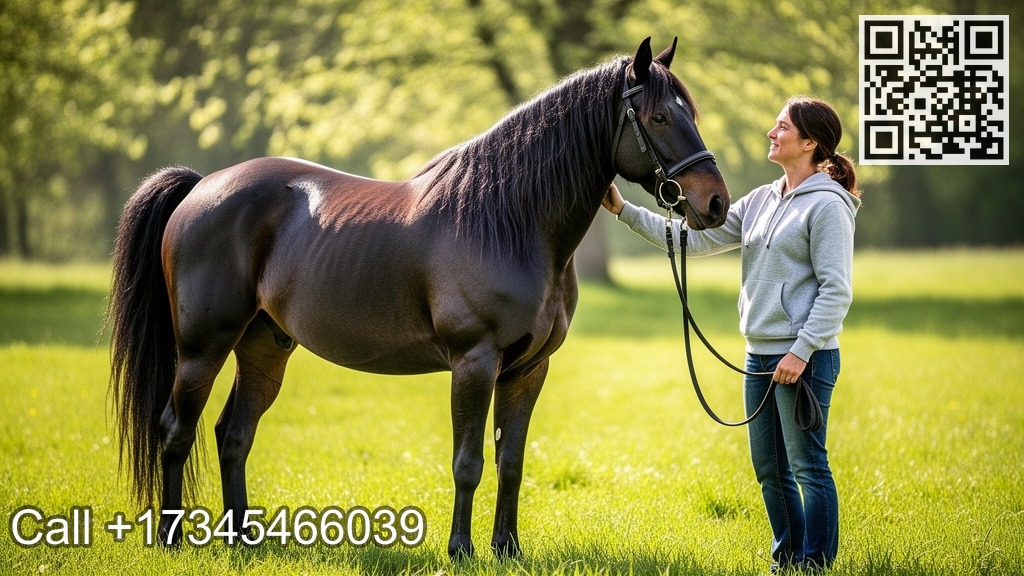
Here are five techniques that move well from the lead rein to the office:
- Make a clear ask, then quit speaking. Let individuals respond prior to you include more. Notice stress and reset. If the space tightens, call a quick pause to breathe. Name duties and handoffs out loud. Clarity lowers friction more than heroics. Use pressure like a dial, not a button. Raise just enough to develop activity, after that release. End with release. Acknowledge development promptly so people do not brace for the following pull.
Keep it easy. You do not need horse allegories in every conference. You need the discipline to breathe, to ask cleanly, to set limits with generosity, and to discover small success. Individuals bear in mind just how it really felt when Boone or Poppy picked to adhere to a consistent hand. That memory ends up being a theme the next time stakes rise and time compresses.
Choosing a service provider who fits your culture
Culture fit is not fluff. A scrappy start-up and a tradition rich specialist solutions company will react to different designs. Go to the facility or schedule a video clip trip. Enjoy how the team communicates with the equines in downtime, not simply in demonstrations. Ask just how they customize sessions for remote groups, hybrid organizations, or teams that have actually never ever seen a steed up close. Ask about debrief methods. The best facilitators construct space for reflection, then connect understandings to concrete steps you respect, such as choice legal rights or customer reaction time.
Clarity on language helps too. If you want equine-assisted tasks that concentrate on team structure with horses and clear interaction abilities, say so. If you desire a deeper arc that touches routines under stress and anxiety and body based discovering, discuss passion in somatic recovery with equines. If your goal leans toward spirits and wellness, explore equine-facilitated wellness days that include quiet pet grooming, herd monitoring, and time in nature. Every one of these can be reputable. The best program will certainly meet you where you are and stretch you simply enough.
Final thoughts from the rail
I have actually enjoyed skilled executives obtain humbled, not by embarrassment, yet by the alleviation of finding a steady speed. I have actually seen young adults on the autism range step into leadership with a soft qualities that relocated adults to rips. I have seen designers, not usually eager for team workouts, light up as a mare mirrored their breath and then walked off at their side. None of this calls for magic. It requires visibility, fair requests, and timely releases.
A lead rein in a human hand is a promise. I will certainly be clear. I will be reasonable. I will certainly see when you attempt. Teams that keep that guarantee with each various other build trust that can take care of difficult quarters and unpleasant projects. Steeds help us exercise until it ends up being acquired behavior. Then, when the haze lifts and target dates impend, the team moves together, light on the line, eyes up, headed in the exact same direction.